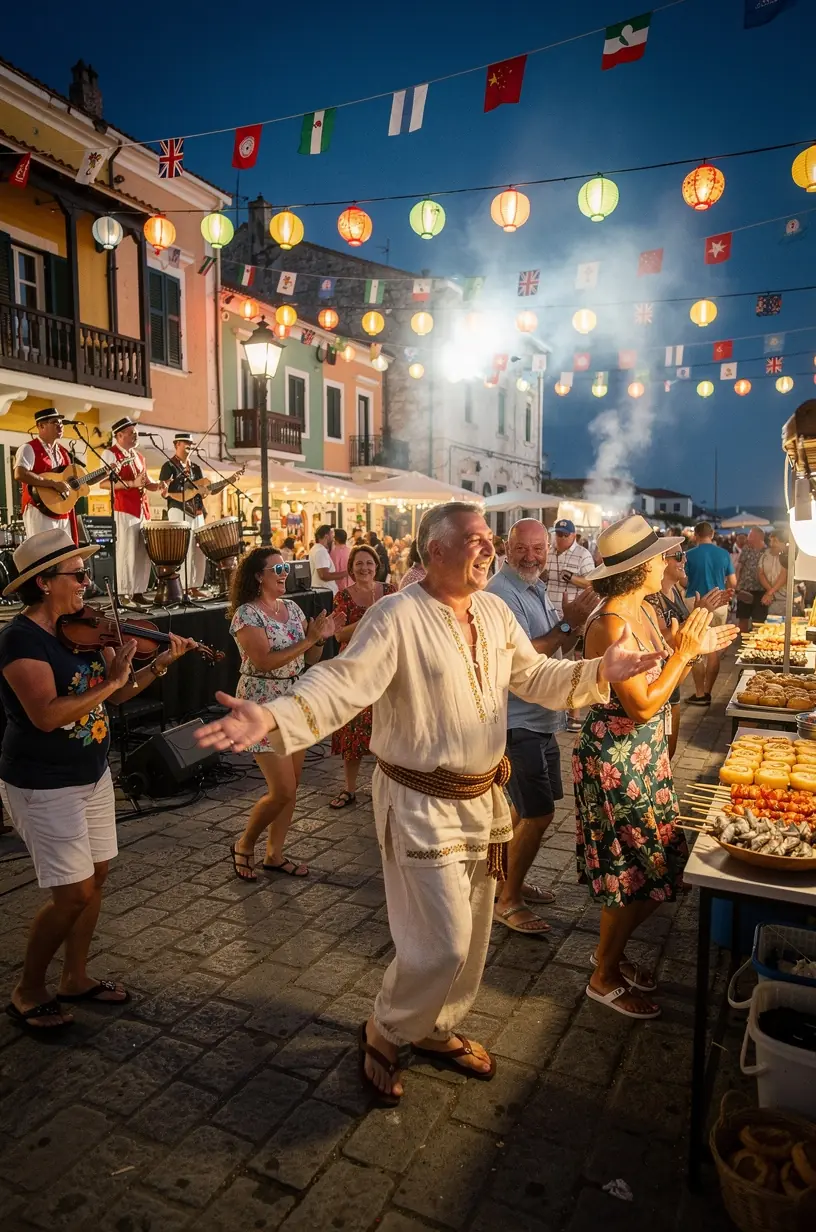
Navigating Cultural Etiquette While Traveling in Europe
Traveling through Europe offers a rich tapestry of cultures, languages, and traditions. To fully appreciate the local experiences, understanding cultural etiquette is essential. This guide aims to provide you with practical insights into navigating these nuances during your travels.
Understanding the Importance of Cultural Etiquette
According to experts in the field of cultural studies, understanding etiquette is crucial for fostering respectful and meaningful interactions while traveling. Cultural norms can vary significantly even within small geographical areas, and what may be seen as polite in one country might be perceived as rude in another. For instance, studies show that in countries like Italy and Spain, greeting people with a warm handshake is common, while in other cultures, a nod or a bow may be preferred.

"Cultural awareness can enhance your travel experience and create lasting relationships with locals." – Cultural Travel Expert
Key Etiquette Tips for European Countries
- France: It is customary to greet shopkeepers with "Bonjour" (hello) upon entering. This small gesture demonstrates respect and is often reciprocated.
- Germany: Punctuality is highly valued. Arriving late can be viewed as disrespectful, so plan your schedule accordingly.
- Spain: Personal space is often less than in other cultures. Expect closer physical proximity during conversations, and don’t shy away from a friendly abrazo (hug).
Why Cultural Etiquette Matters
Understanding cultural etiquette can help you avoid misunderstandings and foster positive interactions. For example, research indicates that tourists who engage in local customs are more likely to receive hospitality and insider tips from locals. This works because people generally appreciate when visitors show an interest in their culture, leading to a more enriching travel experience.
Practical Steps to Enhance Your Cultural Awareness
- Research Before You Go: Take time to learn about the customs, greetings, and dining etiquette of the countries you plan to visit. This preparation typically requires a few hours but can greatly enhance your interactions.
- Observe and Adapt: When you arrive, pay attention to how locals interact. This observational learning can often provide insights that research alone may not cover.
- Ask Questions: If unsure about a custom, don’t hesitate to ask locals politely. Many people appreciate the curiosity and will be happy to share their traditions.
Conclusion
Navigating cultural etiquette while traveling in Europe may require some effort and attention, but the rewards are well worth it. Engaging with local customs can lead to deeper connections and a more authentic travel experience. Remember, the goal is to show respect and appreciation for the diverse cultures you encounter, which ultimately enhances your journey and enriches your understanding of the world.
Learn More